The five score bands
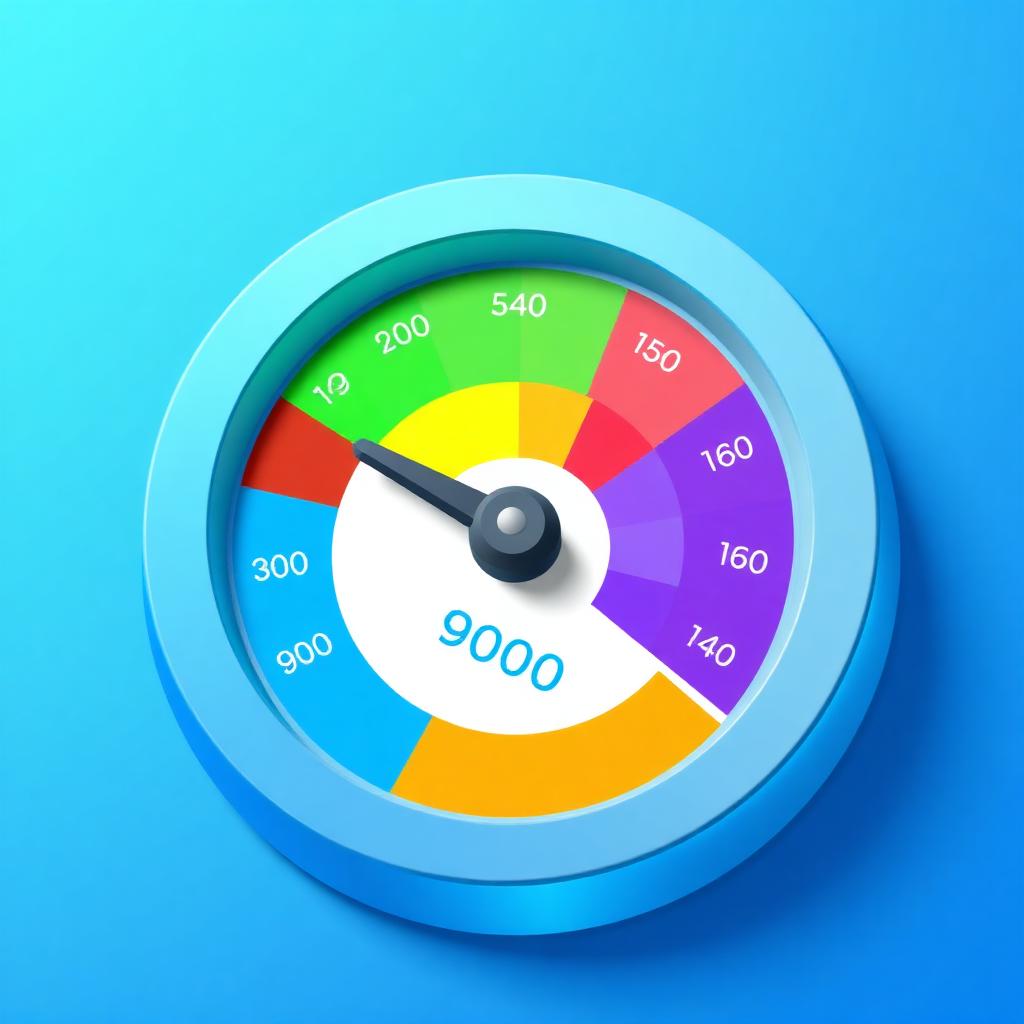
300–549 (Poor): Loan applications are auto-rejected by 90% of banks. Only NBFCs at 24–36% p.a. will consider you.
550–649 (Below Average): Personal loans possible at 22–28%. Home loans rare, and if offered, at RLLR + 4–5%.
650–749 (Fair): You'll get loans but pay a premium — 1–2% higher than base rate.
750–799 (Good): The sweet spot — most lenders approve at published rates with standard documentation.
800–900 (Excellent): You unlock pre-approved offers, waived processing fees, and negotiated interest rates.
The 100-point difference in real money
On a ₹40 lakh home loan for 20 years, moving from a 700 CIBIL to 800 CIBIL typically drops your rate from 9.5% to 8.35%. That's a lifetime interest saving of ₹6.4 lakhs. On a ₹10L personal loan, the same 100-point jump saves ₹78,000 in 5 years.
What actually moves the score
Payment history is 35% of the calculation. Credit utilization is 30%. Length of credit history is 15%. Credit mix is 10%. New enquiries are 10%. The good news: 65% of the formula (payment history + utilization) is fixable in 90–120 days if you have expert guidance.